Private Student Loans

Private student loans are made by banks, credit unions, state agencies and online lenders rather than by the federal government. They are priced on credit, usually require a cosigner for undergraduates, and come without the federal protections that Direct Loans carry, such as income-driven repayment plans and Public Service Loan Forgiveness. Refinancing, whether of federal or private debt, also produces a private loan.

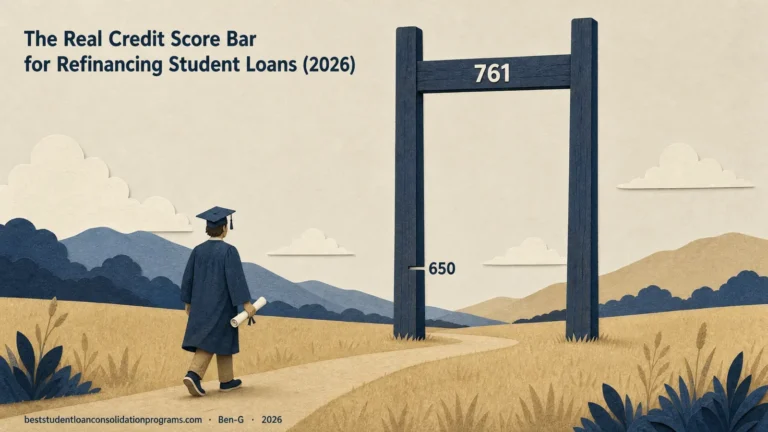
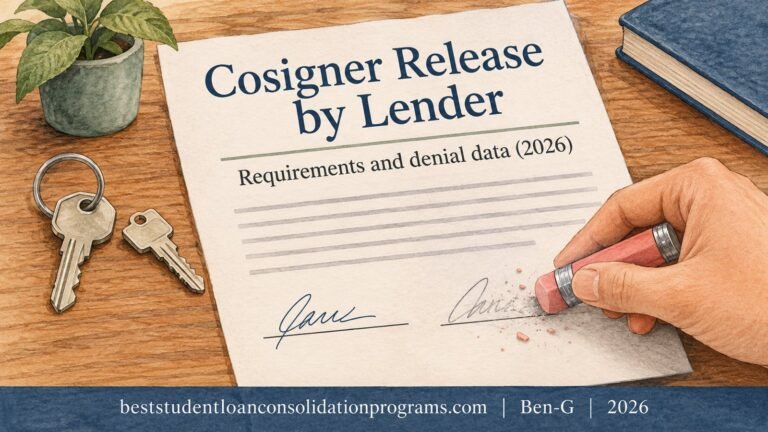
Articles under this tag compare how private lenders actually treat borrowers, using the lenders’ own published terms wherever those pages can be read. That includes the credit scores lenders publish as minimums against the profile of borrowers they approve, the rates borrowers are offered at each score band, and the rules for releasing a cosigner, where waiting periods, income tests and disqualifying events differ widely from lender to lender. Where a figure exists only on a comparison site and not on the lender’s own page, the article marks it as secondary.

The point running through this coverage is that a private loan is a contract, not a program. Its terms are set by the lender, they can change, and the promissory note you sign is what governs. Read these pages as a guide to the questions to ask before you sign, not as advice on any one loan.