Student Loan Rehabilitation vs Consolidation: The Re-Default Numbers Nobody Shows You (2026)
Student loan rehabilitation vs consolidation, compared with data: 45% vs under 10% re-default by plan, a 96% drop in consolidation exits, the 2026 RAP rule.
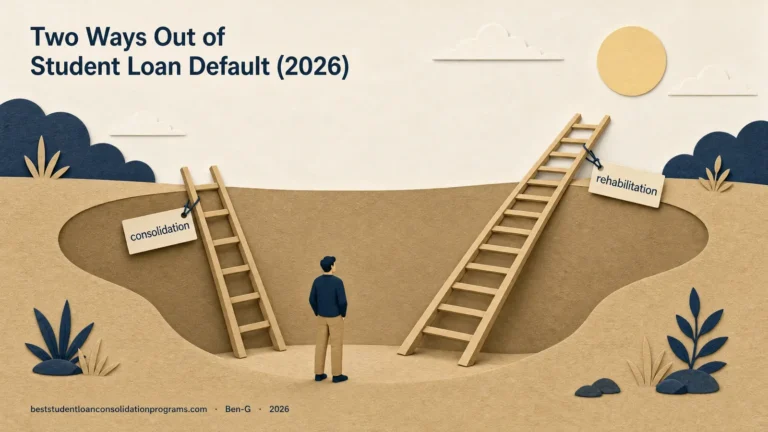
Re-default is the return to default after a borrower has cured a previous default through rehabilitation or consolidation, and it is the outcome that decides whether either exit was worth taking. The best available measurement comes from the CFPB’s analysis of servicer data: 45% of rehabilitated borrowers who were not enrolled in an income-driven repayment plan were back in default within three years, against fewer than 10% of those who were. The route out of default mattered less than the plan the borrower landed in afterward. Consolidation historically re-defaulted less often precisely because it forced a plan choice, and since July 1, 2026 the plan it forces is the Repayment Assistance Plan. Articles under this tag flag the age of the CFPB dataset, note that the Treasury’s September 2026 figures on rehabilitation and consolidation approvals are agency claims rather than audited outcomes, and treat the widely repeated claim that rehabilitation re-defaults 80% of the time as unsupported because no primary source has been found for it. Each page pairs re-default rates with the credit-report, fee and timing differences between the two exits so that borrowers can weigh the whole trade-off. The lesson from the only measured dataset is that the exit matters less than what follows it: enrolling in an affordable income-driven plan immediately after rehabilitation or consolidation is the single step most strongly associated with staying out of default, and the pages here explain how to do that under the plans available in 2026.
Student loan rehabilitation vs consolidation, compared with data: 45% vs under 10% re-default by plan, a 96% drop in consolidation exits, the 2026 RAP rule.